

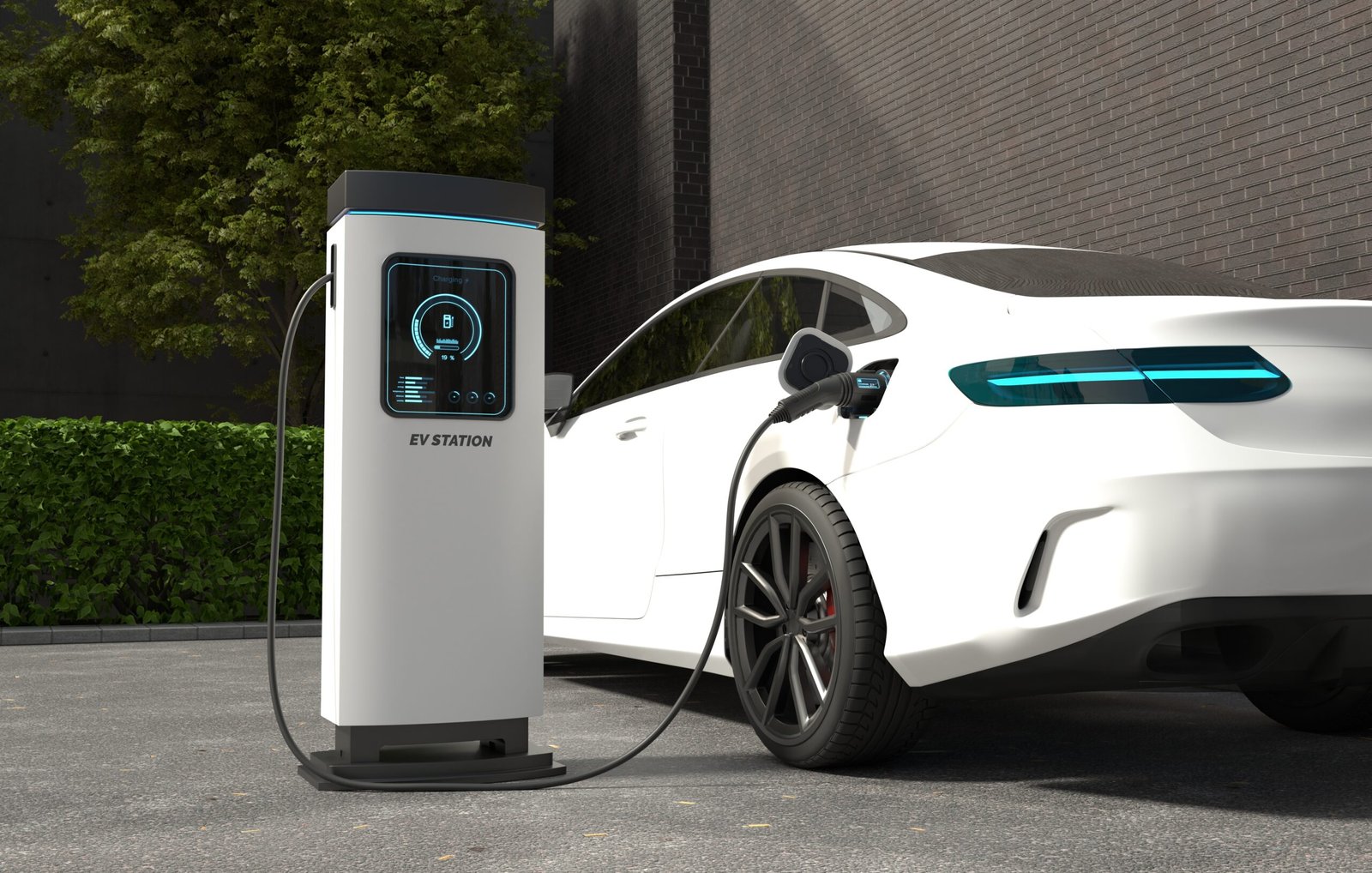
Electric vehicles (EVs) are transforming the Indian automobile landscape. With growing environmental concerns, rising fuel costs, and government incentives driving adoption, EVs are no longer a futuristic concept — they are rapidly becoming a mainstream choice for Indian consumers. From electric hatchbacks and SUVs to two-wheelers and commercial vehicles, the EV revolution in India is gaining momentum.
This article explores the latest EV launches in India, the current state of charging infrastructure, and the future trends shaping the electric mobility ecosystem.
The Rise of Electric Vehicles in India
India’s shift toward electric mobility is driven by a combination of policy support, technological advancements, and increasing consumer awareness. Electric vehicles offer significant advantages over traditional internal combustion engine (ICE) vehicles, including lower running costs, reduced emissions, and quieter operation.
The Indian government has introduced various incentives under national and state-level policies to promote EV adoption. These include subsidies, tax benefits, and support for building charging infrastructure.
As a result, automakers — both startups and established players — are accelerating their EV strategies, bringing a wide range of electric models to Indian roads.
New EV Launches in India
The electric vehicle market in India is expanding quickly, with several new models launched or expected soon. Manufacturers are focusing on diverse segments, from affordable city cars to premium electric SUVs.
Tata Motors EV Lineup
Tata Motors continues to lead the electric car segment in India with multiple EV offerings. The Tata Nexon EV remains a top seller, known for its robust build, respectable range, and reliable performance. Tata is also expected to expand its EV portfolio further with new models that offer longer range, advanced features, and enhanced connectivity.
Mahindra Electric Vehicles
Mahindra has been a pioneer in India’s EV journey, especially in the commercial and passenger vehicle segments. The Mahindra XUV.e8 — an electric SUV based on a successful ICE platform — is among the highly anticipated electric launches. The brand aims to deliver strong performance, stylish design, and competitive range figures.
Upcoming Electric SUVs
Several automakers are preparing to launch electric SUVs in India. These upcoming EVs are expected to offer higher ground clearance, longer range, premium interiors, and connected car technologies. As SUVs remain a favorite among Indian buyers, the success of electric SUVs could be a defining trend in 2025.
Electric Two-Wheelers and Three-Wheelers
EV adoption in India isn’t limited to cars. Electric scooters and motorcycles are becoming increasingly popular due to affordability, ease of use, and lower running costs. Leading manufacturers and startups alike are entering this space with feature-rich electric two-wheelers tailored for Indian roads.
Electric three-wheelers are also gaining traction, especially for last-mile connectivity and commercial applications. These vehicles play a crucial role in urban transport and logistics.
Charging Infrastructure: The Backbone of EV Adoption
One of the most critical factors in accelerating EV adoption is the availability of charging infrastructure. India has made significant progress in this area, but there is still room for expansion.
Public Charging Stations
Public charging stations are being rolled out in major cities, highways, and urban centers. These stations include slow chargers for overnight charging and fast chargers that can add significant range in a short time. Government and private players are investing in building charging hubs to support the growing number of EVs.
Home Charging Solutions
Many EV buyers in India opt for home charging solutions, especially in urban and semi-urban areas. Home chargers offer the convenience of overnight charging and are cost-effective for daily commuting needs. Automakers often provide home charger installation support along with the vehicle purchase.
Battery Swapping Models
Battery swapping technology is emerging as an alternative to traditional charging. Instead of waiting for the vehicle battery to charge, users can swap a depleted battery for a fully charged one at designated stations. This model is particularly useful for two-wheelers and three-wheelers, enabling quick turnaround times and reducing downtime.
Private Sector Participation
Private companies, including energy providers and EV startups, are actively participating in building charging networks. Collaborations between automakers, infrastructure companies, and government agencies aim to expand the charging landscape across cities and highways.
Government Policies and Incentives
India’s national and state governments have implemented policies to support the EV ecosystem. The Faster Adoption and Manufacturing of Electric Vehicles (FAME) scheme is one such initiative, offering incentives for EV buyers and support for charging infrastructure development.
State governments also provide additional subsidies, registration benefits, and tax exemptions to encourage EV purchases. These incentives help reduce the upfront cost of EVs and make them more competitive with traditional vehicles.
Such policy support is crucial in making EV ownership more affordable for a broader segment of Indian consumers.
Future Trends in the Indian EV Market
India’s EV market is evolving rapidly, and several trends are shaping its future. These trends not only reflect consumer demand but also anticipate where the industry is heading.
Expansion of EV Models
Automakers are expected to introduce a broader range of EV models, including premium electric cars, performance-oriented EVs, and affordable city EVs. This diversification will give consumers more choices tailored to their needs and budgets.
Advances in Battery Technology
Battery technology continues to improve, leading to higher energy density, longer driving range, and faster charging capabilities. Innovations such as solid-state batteries and advanced lithium-ion cells are likely to play a significant role in next-generation EVs.
Connected and Smart Features
New EVs are expected to come equipped with connected car technologies, including integrated apps, remote diagnostics, over-the-air updates, and navigation tools that locate charging stations. These features enhance user experience and add value to electric mobility.
Integration with Renewable Energy
The future of EV charging may see greater integration with renewable energy sources such as solar power. Solar-powered charging stations and home solar plus EV charging solutions could further reduce carbon emissions and lower electricity costs.
Focus on Commercial EVs
Electric commercial vehicles — including buses, vans, and delivery trucks — are set to grow rapidly. These vehicles can significantly reduce operating costs for businesses while contributing to cleaner logistics and public transport solutions.
Challenges Ahead for Electric Mobility in India
While the EV landscape in India is promising, certain challenges need to be addressed:
-
Charging Network Expansion: More charging stations are required, especially in tier-2 and tier-3 cities.
-
Battery Cost: Battery packs represent a significant portion of EV cost. Continued efforts to reduce battery prices will help make EVs more affordable.
-
Consumer Awareness: Educating buyers about total cost of ownership, charging solutions, and EV benefits remains essential.
-
Standardization: Uniform standards for charging connectors and payment systems can simplify EV adoption.
Addressing these challenges will be key to mainstream EV adoption in India.
Final Thoughts
Electric vehicles are transforming how India thinks about mobility. With new EV launches on the horizon, expanding charging infrastructure, and supportive government policies, electric mobility is poised for rapid growth. From city commuters opting for electric two-wheelers to families choosing electric SUVs, EVs are becoming a practical and sustainable choice.
As battery technology improves and charging networks expand, the future of electric vehicles in India looks bright, efficient, and environmentally friendly. For consumers, this means lower running costs, reduced emissions, and access to cutting-edge automotive technology.
Helpful Links
https://www.siia.in
https://www.autocarindia.com
https://www.zigwheels.com
